
In every Indian household, the sound of dough being kneaded and rotis puffing on the tawa is more than just cooking — it is tradition. From morning breakfasts to warm family dinners, wheat flour remains the backbone of Indian kitchens.
But have you ever wondered why some rotis turn out soft and fluffy, while others become dry within minutes? The answer lies in the quality of wheat flour.
The Journey from Farm to Kitchen
In regions like Uttar Pradesh, wheat farming has deep cultural roots. Soil quality, climate, and harvesting techniques influence grain nutrition and texture. Carefully selected wheat retains essential nutrients, fiber, and aroma when milled properly.
Deep Pariwar maintains consistent grinding standards to preserve natural freshness and fiber content.
Why Flour Quality Impacts Health
- Better fiber content – Essential for digestive health.
- Improved digestion – Natural grains are easier on the stomach.
- Sustained energy levels – Complex carbs for all-day vitality.
- Softer and more elastic dough – Easier to knead and roll.
For families consuming rotis daily, even small quality differences matter over time.
Taste Is Tradition
Whether it’s soft phulkas, layered parathas, or crispy pooris, texture defines Indian cuisine. Consumers across Delhi NCR increasingly prefer brands that balance tradition with consistency.
That’s why regional brands rooted in quality, like Deep Pariwar, continue building trust among households.
More Than Just Flour
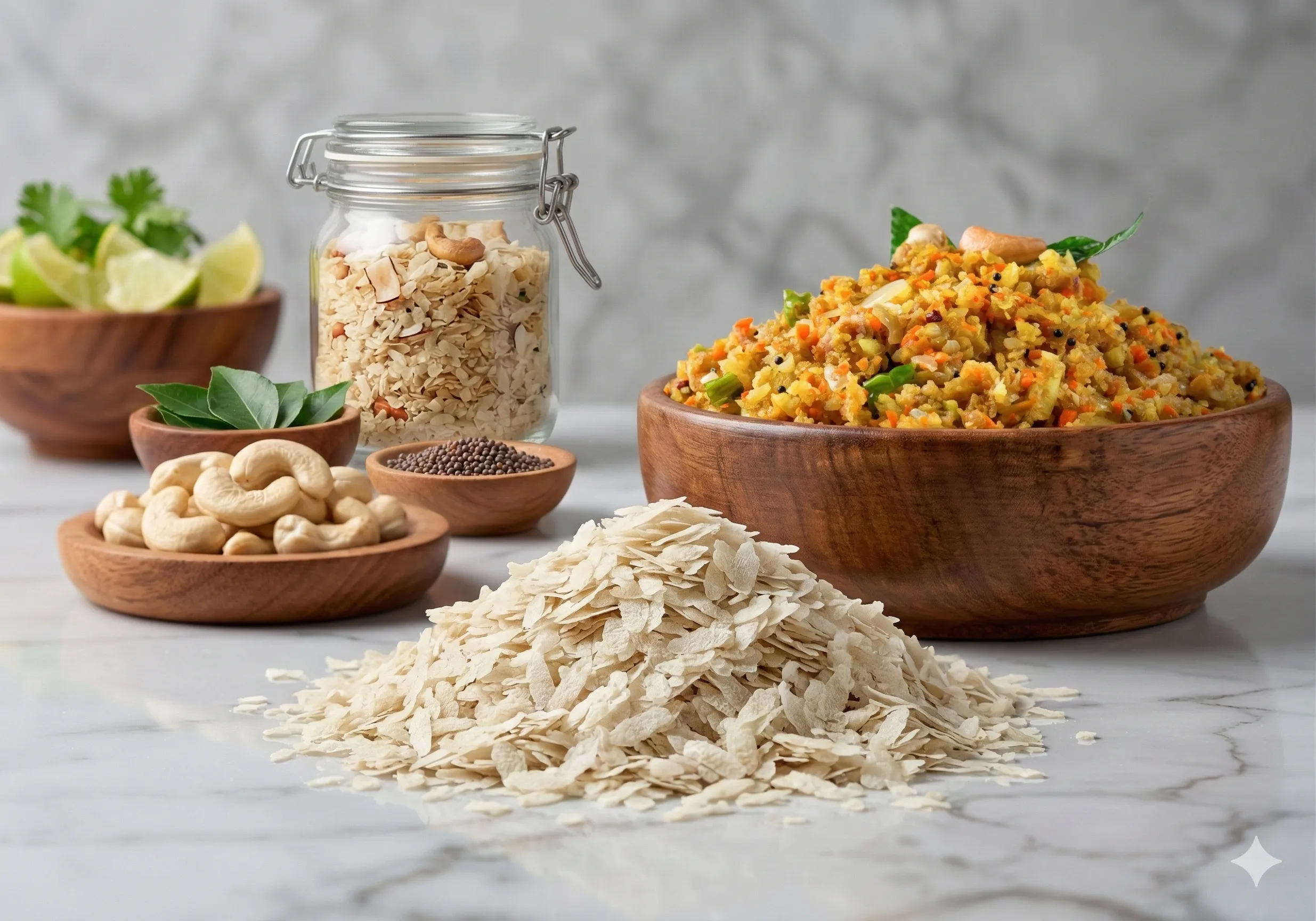
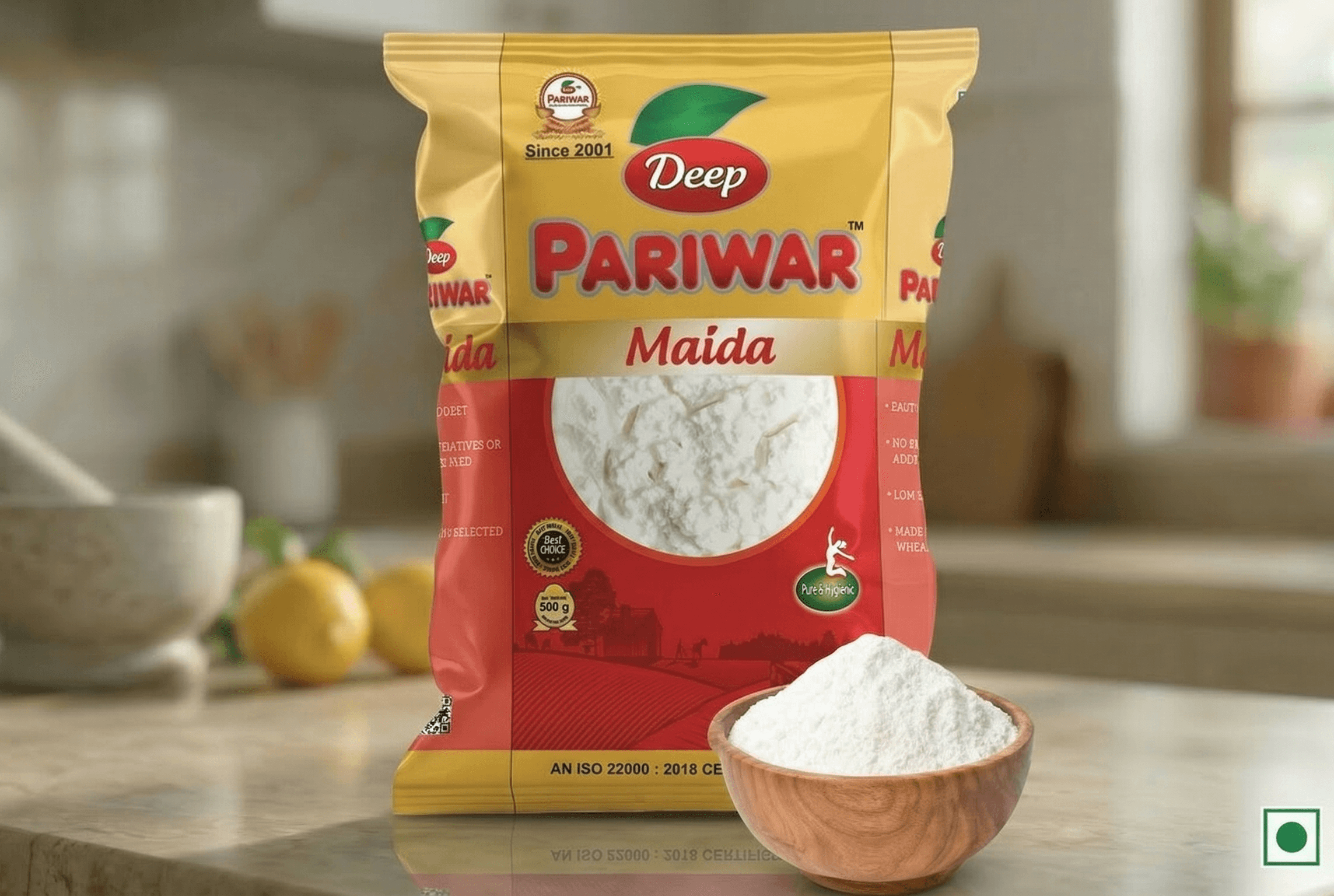
Beyond wheat flour, Deep Pariwar also offers sooji, dalia, poha, maida, besan, and makki atta — supporting both traditional and modern recipes.
“Because food is not just nutrition — it is emotion.”